Latest Update (20 November 2026): Most guides mix up two different programmes under the name “Ration Card”. The monthly Rs 3,000 card is for registered workers and miners only — it is not open to general applications. The Rs 10,000 grant most people search for is the Nigehban Ramzan Package, given once a year at Ramzan; the 2026 cycle is over, and the next one is expected in early 2027. Note: the official PSER portal (pser.punjab.gov.pk) could not be reached at today’s check, so verify your status by SMS to 8070 or by calling helpline 0800-02345. This guide explains both honestly, so you know which one applies to you.
The Punjab Ration Card 2026 is one of the most searched welfare schemes in Punjab — and one of the most misunderstood. Search results mix together a monthly worker card, a once-a-year Ramzan grant, and several different amounts and eligibility rules. This guide separates the two programmes clearly: the CM Punjab Ration Card and the Nigehban Ramzan Package.
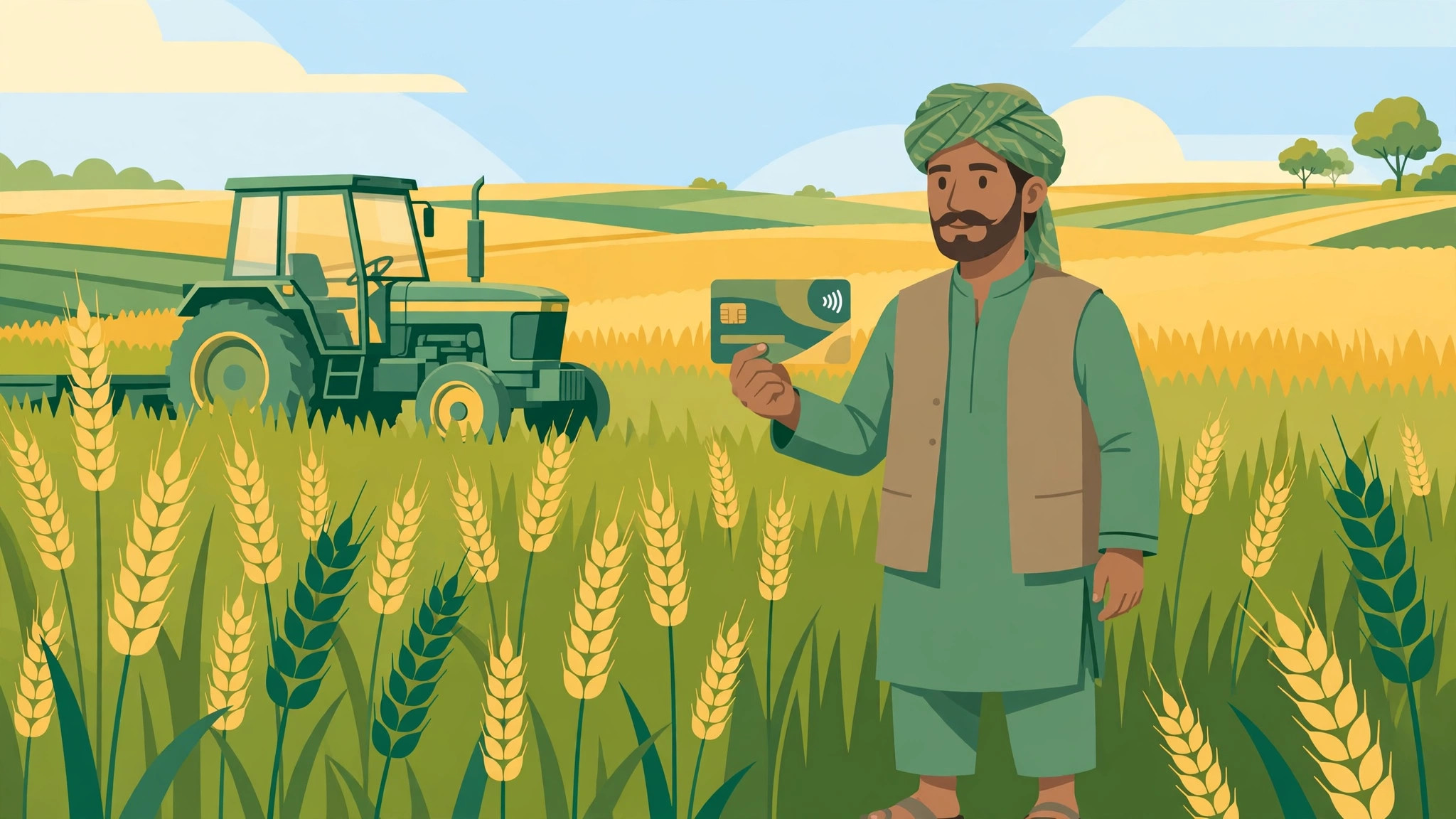
The CM Punjab Ration Card is a monthly support card launched on 30 April 2025. It pays Rs 3,000 a month to registered social security workers and miners, and to Suthra Punjab workers, with the subsidy delivered through a JS Bank Zindagi card.
The important point: this is a worker scheme, not a general application open to every family. You qualify through your workers’ social security registration — there is no public application form for the general public, and no public portal that shows a “ration card” status. If a website tells you to fill in a form for the Ration Card as a general applicant, it is mixing this card up with the Ramzan package below.
During Ramzan 2026, Ration Card holders received Rs 10,000 instead of their usual Rs 3,000 — which is one reason the two amounts are constantly confused online.
2. Nigehban Ramzan Package — Rs 10,000 Once a Year
The Rs 10,000 grant most people search for is officially called the Nigehban Ramzan Package — “Maryam Nawaz 10,000 Scheme” is just what people call it online, not the official name. Every year around Ramadan, the Punjab government gives Rs 10,000 in cash to eligible low-income families, delivered on a Nigehban Card — an ATM-style smart card issued through the Bank of Punjab and linked to the family’s CNIC and registered mobile number.
The 2026 edition was the biggest yet: Rs 47 billion for 4.2 million families, with distribution beginning at the end of January 2026 and the main transfers during Ramzan 2026. The 2026 package also included ration items (10kg flour, 2kg sugar, 2kg ghee, 2kg rice, 1kg chickpeas/pulses).
There is no separate registration form for the Nigehban package. Families are selected from the Punjab Socio-Economic Registry (PSER) — the province’s household database — cross-checked against BISP/NSER records. If your household is recorded in PSER and flagged as genuinely low-income, you are considered automatically. Priority tends to go to daily wage earners, widow-headed households, families with a disabled member, and elderly citizens without another income source.
Status (November 2026): the Ramzan 2026 cycle is over, and no fresh round had been announced by late 2026. Ramadan falls earlier each year on the Gregorian calendar, so the next cycle would be expected in early 2027. Anyone promising you Rs 10,000 right now is not the government.
What Is PSER and Why It Matters
PSER — the Punjab Socio-Economic Registry — is the database the Punjab government uses to target almost all its welfare schemes: the Nigehban package, the Himmat Card, the Minority Card, the Dhee Rani Programme, the Sehat Card and education stipends. Getting your household recorded in PSER is the single most useful step a low-income family in Punjab can take.
Registration happens through a door-to-door survey conducted by the Bureau of Statistics Punjab, with over 5,000 registration centres across the province. You can also check your record on the official portal pser.punjab.gov.pk, or visit your nearest Union Council office or e-Khidmat Markaz for help. Registration is completely free — no fee at any stage.
How to Check Your Ration / Nigehban Status
SMS: send your 13-digit CNIC (no dashes) to 8070. You will get a reply about your status.
Portal: visit pser.punjab.gov.pk and check your household record with your CNIC.
Helpline: call 0800-02345 (toll-free) if you cannot check digitally or need help.
In person: visit your nearest Union Council office or e-Khidmat Markaz.
Warning: the only official channels are the .gov.pk portal, the 8070 SMS service and the 0800-02345 helpline. Anyone asking for money to register you, “approve” your card or speed up your payment is running a scam. Registration and verification are free at every stage.
Common Questions About Eligibility
Guides disagree on the exact income cutoff for the Nigehban package — published figures range from Rs 35,000 to Rs 60,000 a month — because selection is based on PSER data rather than a form where you declare an income. A low PMT (Proxy Means Test) score, commonly cited as below 35, is part of how households are flagged. Some guides say BISP beneficiaries are excluded, while others say BISP records are used for selection — if this affects you, confirm your own position on helpline 0800-02345 rather than trusting any single website.
A separate Labour Ration Card, reported as planned with Rs 10,000 monthly assistance for labourers, has not been confirmed by official sources — treat it as unconfirmed until the Punjab government announces it.
If You Need Cash Support Now
The Nigehban grant comes once a year at Ramzan, and the Ration Card is for registered workers. If your family needs regular cash support, the federal Ehsaas Programme (BISP Kafaalat) pays Rs 14,500 per quarter to eligible families — check your eligibility by sending your CNIC to 8171 or visiting 8171.bisp.gov.pk.
Punjab Ration Card 2026 — FAQs
How much is the Punjab Ration Card?
Rs 3,000 per month for registered social security workers and miners. The Rs 10,000 figure is the separate Nigehban Ramzan Package, paid once a year at Ramzan to eligible low-income families.
Can anyone apply for the Punjab Ration Card?
No. The monthly Ration Card is for registered workers and miners through their social security registration — it is not open to general applications. The Nigehban Ramzan grant is open to low-income families, but there is no form to fill in: families are selected from PSER data.
How do I check my Nigehban status?
Send your 13-digit CNIC (no dashes) to 8070, visit pser.punjab.gov.pk, or call the toll-free helpline 0800-02345.
Is the Rs 10,000 Nigehban grant available now?
No. The Ramzan 2026 cycle is over, and no fresh round had been announced by late 2026. The next cycle is expected in early 2027, around Ramzan. Anyone promising the payment now is not the government.
What is PSER?
The Punjab Socio-Economic Registry — the Punjab government’s household database used to target welfare schemes including the Nigehban package, Himmat Card, Minority Card and Dhee Rani Programme. Registration is free, through a door-to-door survey by the Bureau of Statistics Punjab.
Is registration for the Ration Card free?
Yes — registration, verification and card activation are completely free at every stage. Anyone asking for payment is running a scam.
Disclaimer: Urdu Inbox is an independent information website and is not affiliated with the Government of Punjab, the Punjab Social Protection Authority, the Bureau of Statistics Punjab or the Bank of Punjab. Amounts, eligibility and schedules change each year — always verify the current position on the official PSER portal (pser.punjab.gov.pk), via SMS 8070, or by calling helpline 0800-02345 before relying on any detail here.